Your Backyard, Your Business: How a Single Modular Home Can Become a Second Income in Europe
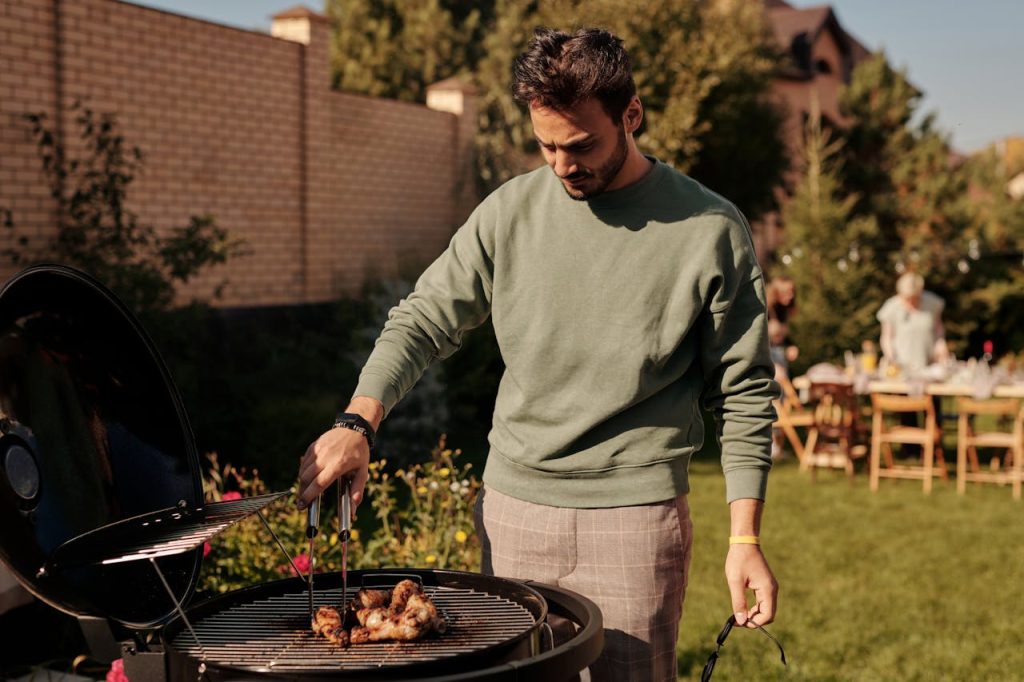
Across Europe, more people are looking for flexible, medium-risk ways to create an extra income stream without buying a second apartment or taking on a huge renovation. A turn-key modular home placed in your garden, on a small field, or on family land can turn unused space into a compact revenue-generating asset. At the same time, tourism and short-stay accommodation continue to grow, which means demand for well-designed places to stay is higher than ever.
The Rise of Small-Scale Rental on Private Land
Staycations and Rural Escapes
European tourism has not only recovered since the pandemic; it has reached record levels, with over 3 billion nights spent in tourist accommodation in 2024 according to Eurostat.
A growing share of these nights is spent in holiday rentals and other short-stay accommodation such as cabins and unique stays, rather than classic hotels, which opens the door for small private hosts. This shift is great news for homeowners with a plot of land, because guests actively seek out private, cosy, nature-adjacent stays instead of standard hotel rooms.
Housing Pressure and Alternative Solutions
In many European cities, housing and rental prices keep climbing, which pushes younger people and mobile professionals to consider more flexible living options. A well-designed modular home on your property can become an attractive long-stay rental for tenants who value quality and stability but do not want, or cannot afford, a traditional lease in the tightest markets. This type of small, well-built unit gives you the chance to offer comfortable housing while building a sustainable income stream at a manageable scale.
Why a Turn-Key Modular Home Is Ideal for “Micro-Landlords”
Becoming a landlord does not have to mean buying an entire apartment block or juggling multiple renovation projects at once. A single modular unit on your land can be a human-sized step into property-based income that fits around your life, rather than taking it over.
Predictable, Faster Build
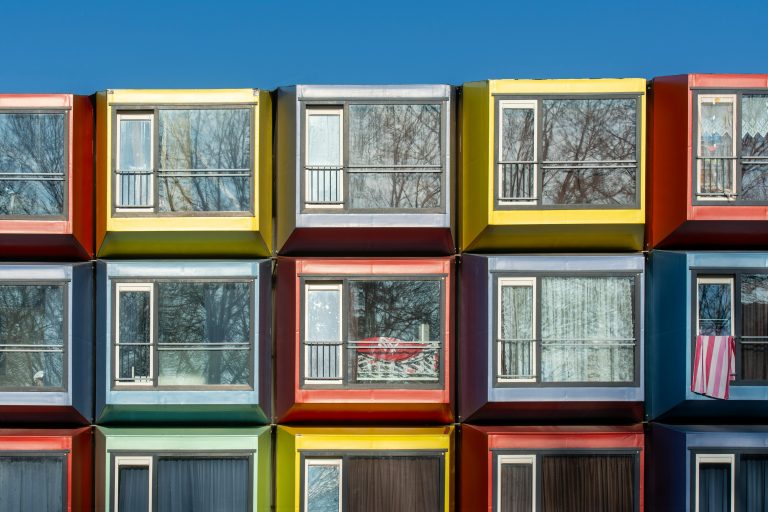
Because modular homes are built in a factory and then installed on-site, construction time is typically significantly reduced compared to traditional building, and prefabricated technologies are increasingly recognised as a way to speed up and stabilise rental housing supply.
This faster process helps you start earning sooner and reduces the stress of long, messy projects right next to your main home. It also means weather delays and last-minute surprises are less likely to derail your plans.
Less Disruption, More Control
With modular construction, your main home and daily routine stay relatively undisturbed, as most of the work happens off-site rather than in your garden for months. Factory-based quality control also helps avoid many of the unexpected issues that can appear in conventional building projects, from structural problems to finishing defects. A turn-key approach means you are not juggling multiple contractors alone, which makes the whole process feel more manageable and easier to oversee.
Four Second-Income Models for Your Land
Not every landowner has the same goals, and not every location has the same demand, so it helps to think in clear, simple terms when planning your income models.
Short-Stay Rental: Your Mini Retreat
The first option is the classic short-stay or “Airbnb-style” approach, where you welcome weekend guests, couples, or small families looking for a few nights away. In this model, you design the unit as a cosy retreat with good Wi-Fi, a small but efficient kitchen, and a private terrace or seating area that makes people want to stay longer. Revenue per night can be higher than with long-term rent, but you will need to invest more time in guest communication, cleaning, and regular changeovers.
Long-Stay Rental: Steady, Simple Income
The second option is to position your modular home as a long-stay rental for steady, predictable income. This can work well for young professionals on local contracts, remote workers seeking a quiet base, or students and medical staff in areas with universities or hospitals where rental demand is high. You will usually earn less per night than with a short-stay model, but in exchange, you gain more stability, fewer check-ins, and a relationship with one tenant at a time rather than many guests.
Family Use Plus Occasional Rental
A third option is to treat the modular home as a flexible space that serves your family first and becomes a rental only when it suits you. Most of the year, the unit can function as a guest suite for friends, relatives, or even a quiet workspace, and then during peak seasons, local festivals, or holidays you open it for bookings when nightly rates are typically higher. This model is ideal if you want the freedom to host loved ones and enjoy the space yourself while still offsetting part of your investment through occasional rental income.
Seasonal Farm or Campsite Overflow
If you already run a rural business, such as a small campsite, a farm shop, or an agritourism project, a modular home can become a natural extension of what you offer. It can serve as premium glamping-style accommodation, a comfortable farm-stay unit, or a weatherproof upgrade to a tent pitch that guests can book all year round. In this scenario, the extra unit does not stand alone as a separate “side hustle” but instead raises the overall quality and earning potential of your existing business. Here is our guide on boosting your campsite business with modular homes to deepen your knowledge.
Understanding Permissions and Regulations in Simple Terms
Planning rules in Europe vary by country, region, and even municipality, so there is no single rulebook for every modular home project. However, a few patterns appear often enough that they are worth keeping in mind as you explore your idea. Some countries are gradually easing rules for small backyard or garden units, especially when they are under a certain size and used as additional living space rather than full separate houses, as discussed, for example, in Irish modular home planning guidance.
In other places, mobile, container, or modular homes may be treated differently from permanent buildings, sometimes with simplified processes but also strict limits on size, location, or how long they can be occupied, which you can see in overviews of tiny house and mobile home rules in the EU.
Because the details are so local and the consequences of getting it wrong can be serious, the safest path is always to speak with your municipal planning office or a local expert before you commit. It is important to clarify whether your modular home will be classed as a permanent building, a mobile unit, or something in between, because this classification shapes the permits, taxes, and responsibilities that apply. Getting this clarity early keeps your second-income project from turning into a paperwork headache later.
Designing for Better Income, Not Just Looks
Making It Feel Like a Tiny Boutique Hotel
Guests and long-stay tenants are happy to pay more for spaces that feel thoughtful, complete, and comfortable, even when they are compact. When you plan your modular home, it pays to prioritise natural light, comfortable beds, good insulation, and smart storage solutions instead of chasing purely decorative features. Thinking in “zones” can help, even in a small footprint, so you deliberately create places to sleep, work, cook, and relax rather than letting everything blur together.
A well-designed unit between roughly 25 and 45 square metres can feel surprisingly generous if proportions, windows, and circulation are handled well. Simple touches like a built-in desk, a defined dining nook, or open shelving can make daily living easier and more pleasant for your guests or tenants. These thoughtful choices support higher nightly rates, better reviews, and a stronger reputation over time.
Using the Land to Your Advantage
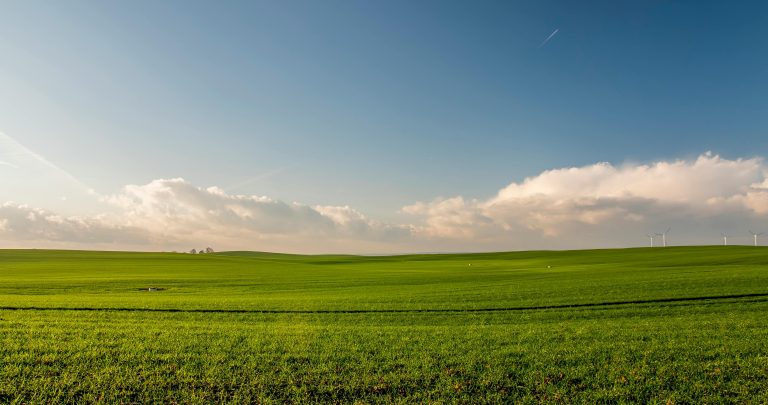
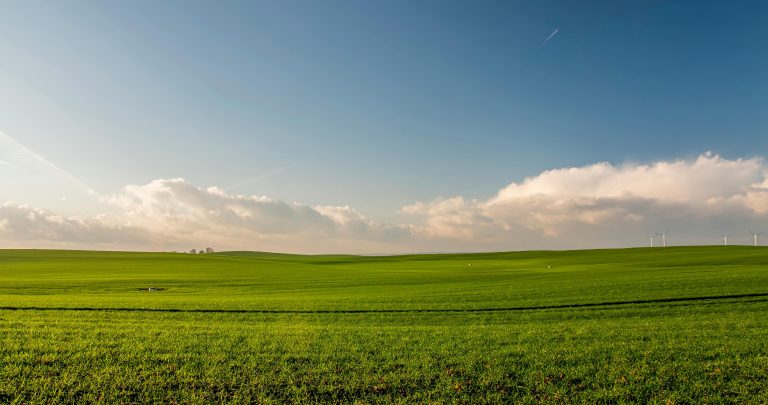
The plot itself is a powerful part of the experience and the value you offer. When you choose where to place the modular home, it helps to think about privacy from your main house, noise levels, and the nicest possible view, whether that is a garden, a field, or the edge of a forest. You can then layer in simple but high-impact extras such as a small deck, outdoor seating, gentle lighting, or, where regulations allow, features like a fire pit or hot tub that make the stay feel special. This is especially great for rural land owners, where regulations are less strict. If you have rural land, read our guide on how modular homes are great for rural areas.
In guest reviews, people often highlight peace, views, and outdoor space as much as the interior design, so these details can directly influence your ability to charge more and stay booked. By treating the land as part of the design, you turn a standard modular unit into a full experience that stands out in crowded booking platforms.
A Simple Roadmap for Getting Started
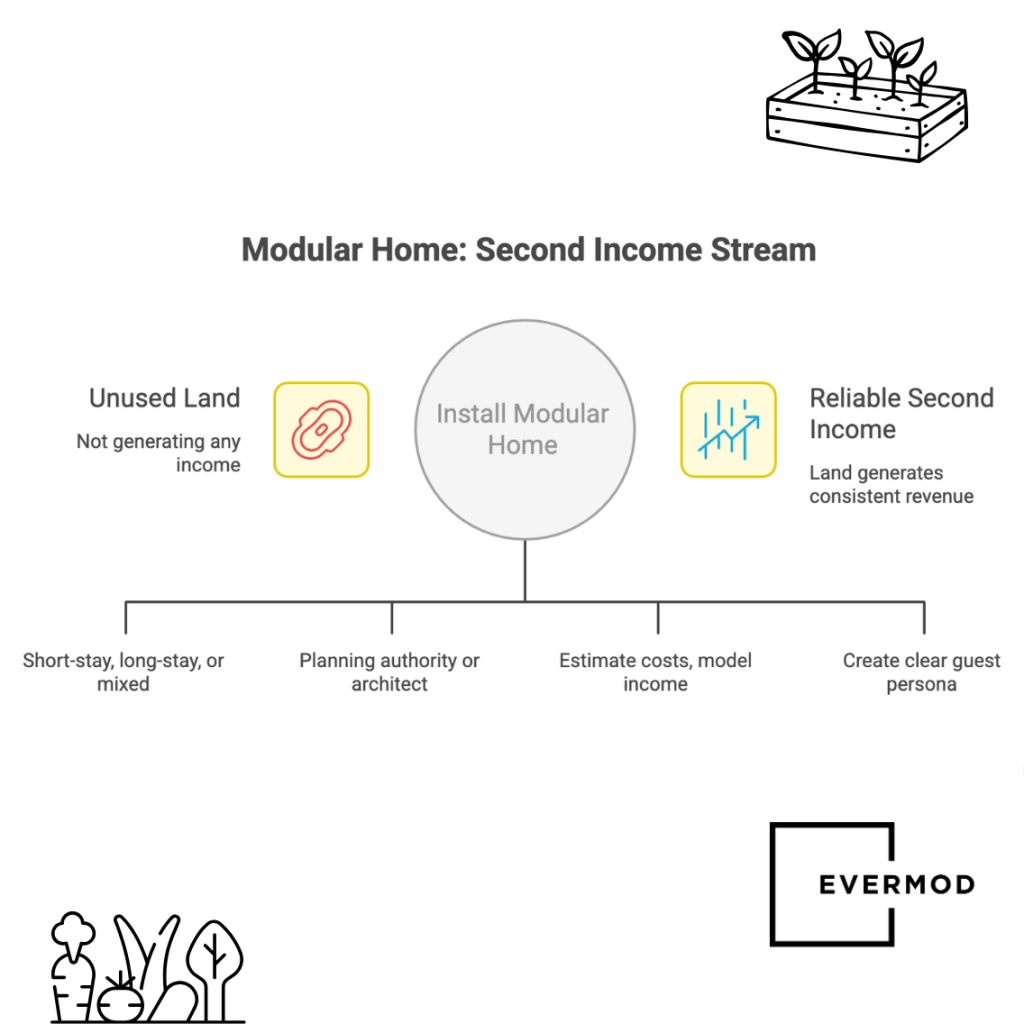
Launching a second-income modular home does not have to be complicated if you break it into a few clear steps. The first step is to clarify your income model by deciding whether you want to focus on short-stay guests, long-stay tenants, or a mixed use that follows the seasons and your lifestyle. The second step is to check local rules early by talking to your local planning authority or an architect who understands modular and small buildings in your area, so you know exactly what is allowed.
The third step is to plan the financing and your rough return on investment by estimating the total project cost and then modelling your expected monthly or seasonal income under realistic occupancy assumptions. The fourth step is to design for the guest you actually want, which means creating a clear persona, such as a remote worker, a city couple on weekend breaks, or a family on a farm stay, and choosing layout, finishes, and details to match their needs and expectations. With clear expectations, a realistic financial plan, and a well-designed, turn-key modular home, your backyard or spare plot can quietly evolve from “just land” into a reliable second income over time.