The Psychology of Living Small: Why Less Space Makes Us Happier
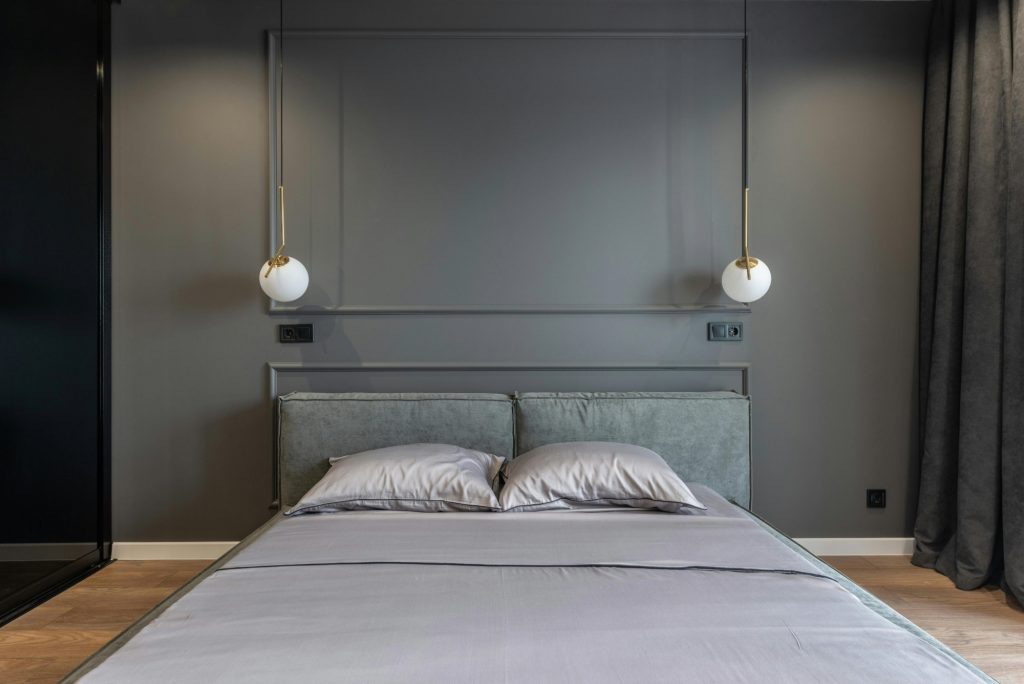
When people imagine the “dream home,” many still picture sprawling villas or large suburban houses. Let me tell you – that’s not it! But an increasing number of families, professionals, and digital nomads are (coming to senses) and discovering a counterintuitive truth: happiness often grows in smaller spaces. Living in a tiny or modular home isn’t about sacrifice. It’s about intentionality, flexibility, and wellbeing. Modern psychology shows that living small can reduce stress, strengthen relationships, and even boost productivity. At Evermod, we truly believe modular design takes these benefits even further, offering comfort and freedom without the excess.
Mental Health Benefits of Living Small
Reduced Clutter, Reduced Stress
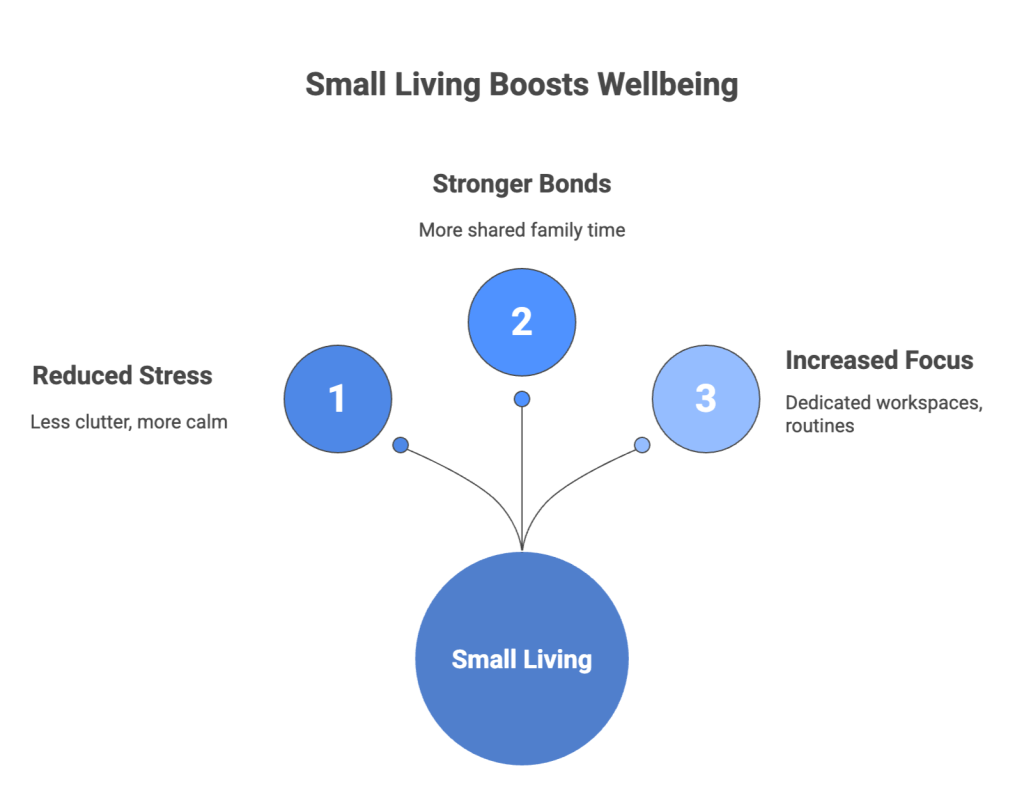
Clutter isn’t just messy, it’s mentally exhausting. Can you focus on work in a cluttered house? We’ve tried and cannot. Studies show that visual clutter can increase cortisol (the stress hormone) and reduce our ability to focus. When every square meter counts, you naturally prioritize what you truly need. That means fewer items demanding your attention and less time spent cleaning or maintaining your home.
As United Tiny Homes puts it, living in smaller spaces creates “a deliberate simplicity” that reduces distractions and fosters calm. A tidy, minimal environment offers clarity and peace of mind, something especially valuable in today’s fast-paced world.
Increased Mindfulness & Presence
Living small requires making choices: what stays, what goes, and what truly matters. This process naturally encourages mindfulness. Instead of spreading yourself thin across unused rooms and forgotten possessions, you concentrate on the essentials. This focus extends into daily life. Families report more shared activities, while individuals find more space (mentally, if not physically) to practice hobbies, mindfulness, or simply be present.
Family Dynamics in Smaller Spaces
Closeness & Bonding
Small homes bring families together, literally. In compact spaces, shared meals, collaborative chores, and quality time become part of the routine. Children grow up with more direct engagement from parents, and family dynamics often feel closer and more connected.
Challenges & Adaptability
Of course, challenges exist. Everyone needs personal space. That’s where modular homes excel: through smart layouts, partitions, or multi-use rooms, you can adapt spaces as children grow or family needs change. For example, our Barn and Barn Max models allow you to scale up or redesign as your household expands. This adaptability ensures that “small” never feels like “too small.”
Productivity, Wellbeing & Minimalism
Functional Design & Routine
Working from home is now the norm for many professionals, but not everyone thrives at the kitchen table. Small, well-designed modular homes provide dedicated workspaces free of distractions. Built-in storage and multifunctional furniture free up both physical and mental space, making daily routines smoother.
Environmental & Financial Benefits
Smaller spaces don’t just save energy, they also save money. Less square footage means lower heating, cooling, and maintenance costs. As Forbes notes, modular homes are more cost-efficient to build and maintain, reducing long-term financial stress. At Evermod, we see this as a win-win: families enjoy a healthier budget and a lighter ecological footprint, all while living in a modern, stylish home.
What Science & Experts Say
The benefits of small-space living aren’t just anecdotal. Research shows that design plays a key role in how we experience compact living. According to an Undark article, small homes work best when they maximize natural light, airflow, and access to nature. Without these elements, residents can feel cramped. But with them, small spaces often feel freeing rather than limiting. Other studies confirm that minimal environments support better focus, healthier sleep, and greater overall wellbeing. The conclusion? It’s not about size, it’s about smart design. What do you think?
How to Make Small Living Work for You
If you’re considering a tiny or modular home, here are a few strategies to make the most of it:
- Declutter regularly – keep only what you truly value.
- Invest in multi-purpose furniture – a sofa bed or foldable desk goes a long way.
- Create zones for privacy – even in open layouts, partitions or lofts help balance closeness with independence.
- Maximize light and greenery – large windows and plants create openness and calm.
You can explore more practical tips in our blog post on smart storage and family living.
Why Modular Homes Are Perfect for This Lifestyle
Unlike traditional houses, modular homes are designed with flexibility in mind. You’re not locked into one layout forever, units can expand, reconfigure, or even relocate as your life evolves. At Evermod, our turn-key prefab homes are crafted to deliver comfort, sustainability, and adaptability. Whether you’re a young couple starting out, a family looking for smart space solutions, or a professional seeking a minimalist lifestyle, modular living supports your wellbeing without compromise.
Our Conclusion – Happiness in Less
Small living isn’t about deprivation, it’s about freedom. By simplifying your space, you make room for what really matters: relationships, health, financial stability, and personal growth. The psychology is clear: less space can mean more joy. And with modular homes, you don’t have to choose between minimalism and modern comfort, you get both. Ready to see how modular living could improve your lifestyle? Explore our Evermod models today and discover how less really can be more.