
Modular Home vs City Apartment: Why People Are Making the Switch in 2026

Table of Contents
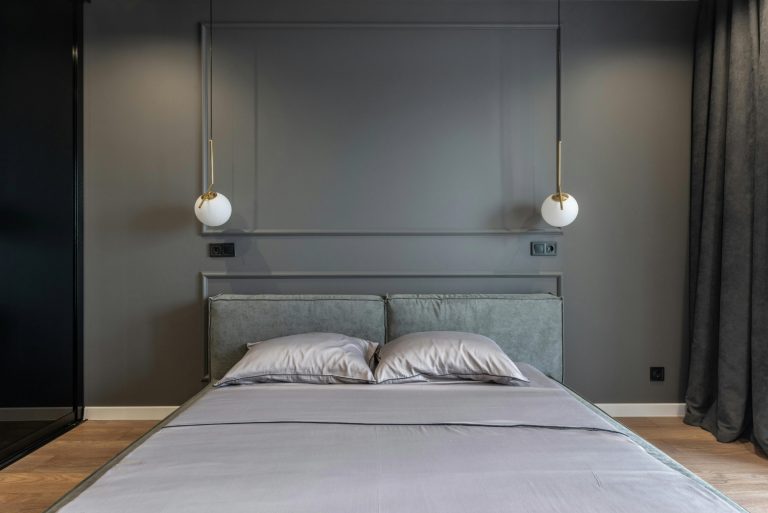
There is a big battle going on lately between modular home vs city apartment value. In cities all over Europe, urban living’s been sold as the ultimate high-end lifestyle for years – think walkable neighbourhoods, a vibrant cultural scene, and cafés on every corner. But for a lot of the people actually living there, that dream has turned sour – expensive, cramped and just plain stressful.
Take the Netherlands, for instance, where renting prices have skyrocketed to the point where they’re gobbling up a huge chunk of people’s monthly pay cheques. It’s making city living so unaffordable that people are having to think twice about what housing means to them. They come to think about what is better – renting vs owning in Europe.
For some now, modular homes are starting to look like a serious option; they’re giving people more space, more freedom and a long-term home they can call their own. In this article, we’re going to look at why more Europeans are thinking of ditching traditional apartments for modular homes – and what that might mean for how we live, work and strike a balance between the two in 2026.
The Hidden Pressure of Urban Rent
For many people who live in major European cities, housing costs are no longer just an expense; they are a dominant part of everyday life. In Amsterdam, widely regarded as one of the most expensive places to rent in Europe, average rents for apartments have climbed well into the thousands of euros per month, according to recent rental market data across major Dutch cities.
A one-bedroom apartment in the city centre can actually cost €2,000 or more, while even smaller studios are commonly rented for €1,500–€2,000 in many neighbourhoods. These figures put traditional apartment living out of reach for many locals and newcomers alike, especially when compared with average salaries and the rising costs of everyday living.
Even outside the Dutch capital, other large cities like Rotterdam and Utrecht show the same trend of high rents and tight housing markets, which proves again the ongoing battle and people deciding what is better – modular home vs city apartment. When monthly rental costs take up such a large portion of a person’s budget, the appeal of affordable housing alternatives in Europe, ones that offer more space for less long-term cost, becomes easier to understand. In fact, we explored this dynamic further in our article on the hidden cost of waiting to build, where we explain how rising rents and delayed decisions can quietly become more expensive over time.
Space, Freedom, and the Quality of Life Equation
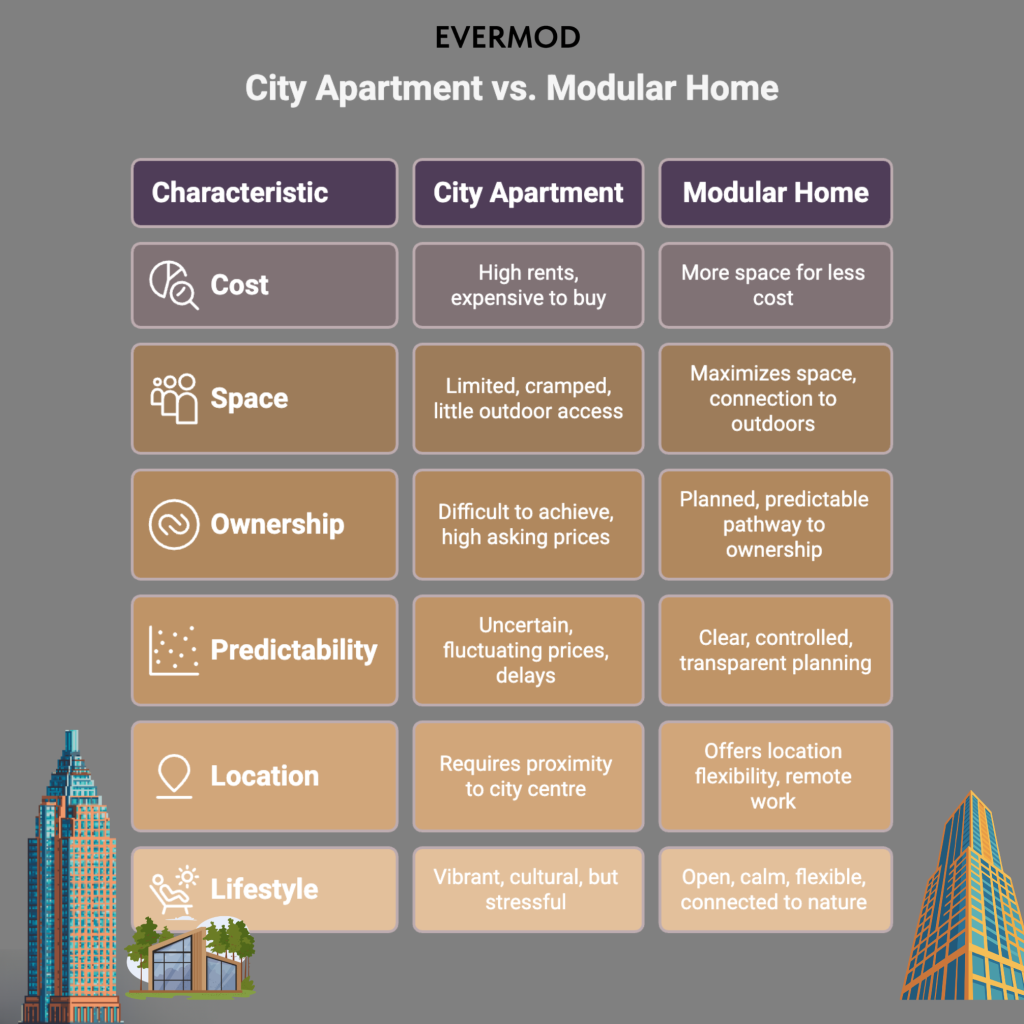
When you’re paying a premium for an apartment, space quickly becomes a luxury, and people start looking for affordable housing alternatives in Europe. Small studios and one-bedroom flats, often with limited outdoor access, make it hard for residents to imagine a life that feels open, calm, or flexible. For remote workers and families alike, the desire for a place with room to breathe, indoor and out, is not just aesthetic; it’s practical.
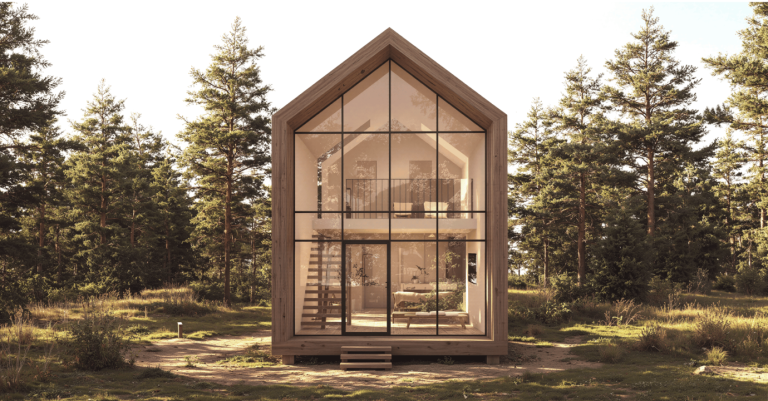
Modular homes tap into that desire by offering layouts that maximise both comfort and connection to the outdoors. Whether it’s a quiet reading nook with a garden view or a terrace perfect for morning coffee, these homes allow residents to balance proximity to nature with convenience. For someone who has spent years in a compact city apartment, the difference isn’t just spatial, it’s emotional.
Renting vs Owning in Europe: Modular Home vs City Apartment
Another significant factor in the shift toward modular living is the mindset around home ownership versus renting. In many European cities, buying a home has become as challenging as renting one. High asking prices and limited availability make ownership feel like a distant dream for many, especially younger adults and first-time buyers.
The idea of putting a large chunk of savings into an apartment that still offers little personalisation or freedom can feel like a poor trade-off. In contrast, modular homes can represent a pathway to ownership that is both planned and predictable, offering a sense of security and pride while avoiding the perpetual cycle of rent increases and housing market volatility.
This shift between modular home vs city apartment is not just practical; it reflects a bigger psychological change. As people reassess what they want from life, many are prioritising quality of living over proximity to the city centre, and modular homes fit naturally into that narrative.
The Comfort of Predictability
Beyond lifestyle, there is also the appeal of predictability. Traditional construction and urban property markets often come with uncertainty, fluctuating prices, competitive bidding situations, unexpected renovation costs, or delayed timelines. Modular construction, by contrast, introduces a level of clarity and control that many buyers find reassuring. With much of the building process happening in a controlled factory environment, timelines are more predictable, and planning feels more transparent. For many people, that sense of stability is just as important as square meters.
Remote Work and Location Flexibility
The rise of remote and hybrid work has changed how many people think about where they live. According to a recent Europe-wide survey, about 41.8% of professionals now work at least part of the time remotely, showing how hybrid patterns are becoming a common feature of working life rather than a temporary experiment. A decade ago, being close to a city centre job was often non-negotiable. But today, many professionals split their time between home, shared workspaces, and local cafés. That flexibility has erased some of the historical advantages of urban living.
When work no longer requires daily commuting into a dense city, the value of space, tranquillity, and affordability becomes more prominent. A modular home on a peaceful plot of land can offer a healthy environment for work and life, with fewer distractions and more room for creativity, productivity, and well-being. For those considering this transition, choosing the right location is an important first step.
In our guide on how to find the right land for your modular home in Europe, we walk through zoning, infrastructure, and the key factors to evaluate before purchasing a plot. So you can see how the remote work trend is reshaping priorities: people increasingly ask whether their home should be simply a place to sleep, or a place to live fully.
Conclusion
The transition from a city apartment to a modular home is more than a change of address. It reflects a broader shift in how people think about housing, lifestyle, and freedom. In markets where rent and homeownership costs have become burdensome, such as Amsterdam and other major Dutch cities, modular living offers an attractive alternative: more space at the same or lower cost, greater autonomy, and better alignment between daily routines and personal well-being. Whether it’s the lure of a garden view, the flexibility of remote work, or the desire to plant roots in a place of your own, modular homes are becoming a thoughtful choice for people seeking a balance between practicality and aspiration in 2026.