Stunning Modular Home Design Ideas for a High-End Space That Doesn’t Feel Modular
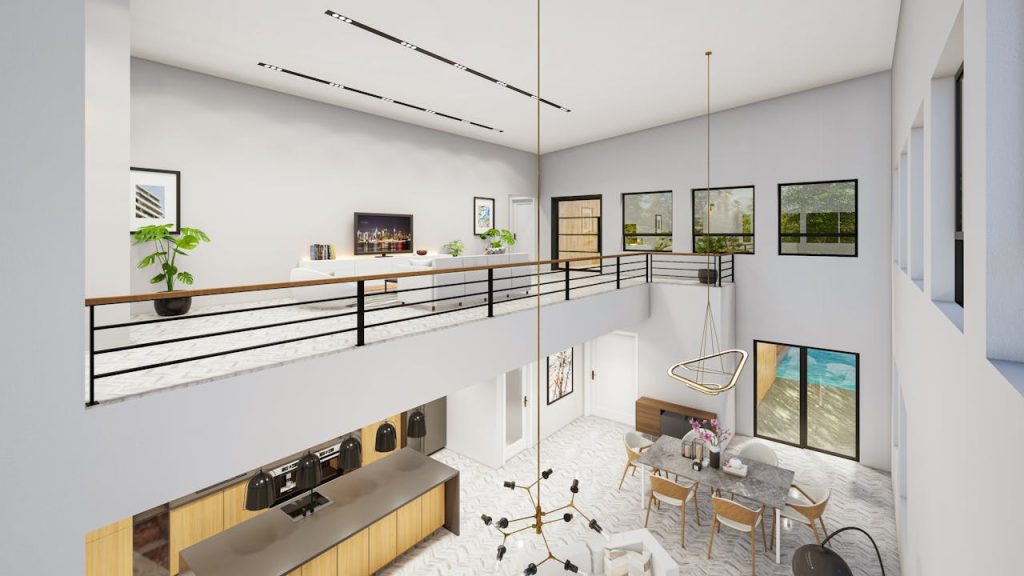
Table of Contents
Modular home design ideas are evolving quickly, and today they focus less on efficiency alone and more on creating homes that feel personal, warm, and architecturally refined.
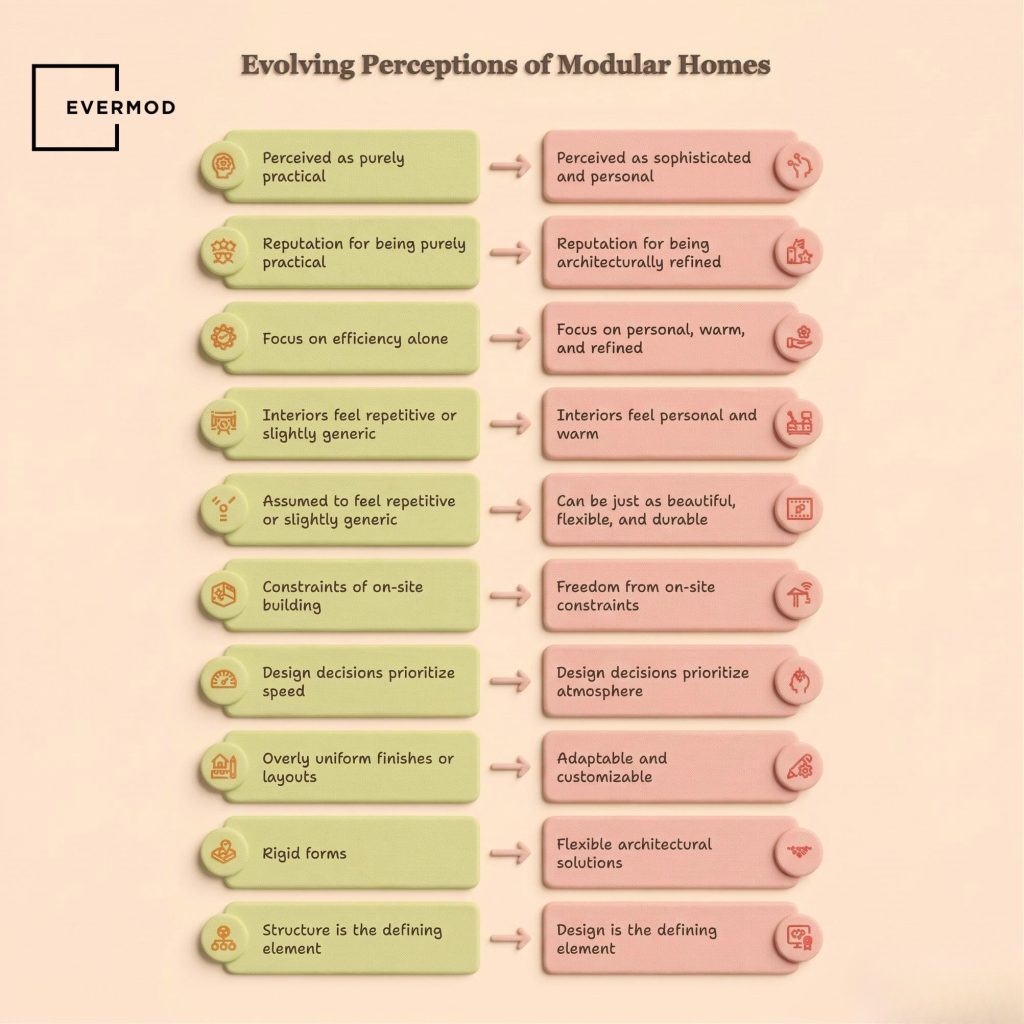
For a long time, modular houses carried a reputation for being purely practical. They were efficient to build and often more affordable than traditional construction, but many people assumed the interiors would feel repetitive or slightly generic. That perception is changing across Europe as modern modular homes prove they can be just as beautiful, flexible, and durable as conventional builds.
The newest modular home design ideas show that factory-built homes can deliver the same design quality, atmosphere, and lifestyle experience as traditional architecture. In many cases, they do it better. Because modular construction removes many of the constraints of on-site building, designers can focus more attention on materials, light, and spatial flow.
When these elements come together thoughtfully, a modular home no longer feels “modular” at all. It simply feels like a well-designed place to live.
Why Some Modular Homes Still Feel Generic
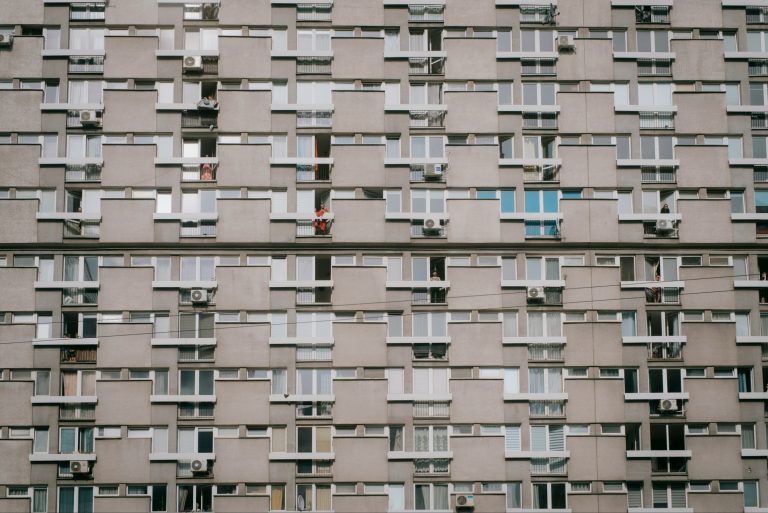
The “modular look” people sometimes refer to is rarely caused by the construction method itself. Instead, it usually comes from design decisions that prioritise speed over atmosphere. When interiors rely on overly uniform finishes or layouts that repeat the same proportions from room to room, the space can feel predictable and a little flat.
Yet modular construction is actually highly adaptable. Research on contemporary building systems shows that modular architecture allows a wide degree of customisation in layout, materials, and façade design when properly planned. Studies published in the journal Buildings highlight how modular systems can support flexible architectural solutions rather than rigid forms.
In other words, the structure of a modular home is only the starting framework. What truly defines the experience of the space is how it is designed afterward.
Modular Home Design Ideas Start with Materials
One of the most effective modular home design ideas is surprisingly simple: choose materials that introduce warmth and depth before any furniture enters the room.
Natural wood surfaces, mineral textures, and soft textiles immediately transform the atmosphere of a space. Instead of feeling manufactured, the interior begins to feel grounded and tactile. Scandinavian and Japanese design philosophies have influenced many modern modular interiors for exactly this reason. Both traditions emphasise natural materials and calm visual compositions, creating homes that feel peaceful rather than busy.
The result is a style many designers now describe as “quiet luxury”. The space does not rely on excessive decoration or complex architecture. Instead, the quality and feel of the materials themselves become the defining feature.
Modular Home Design Ideas That Use Light as Architecture
One of the most powerful modular home design ideas is not related to furniture or decoration at all. It begins with light.
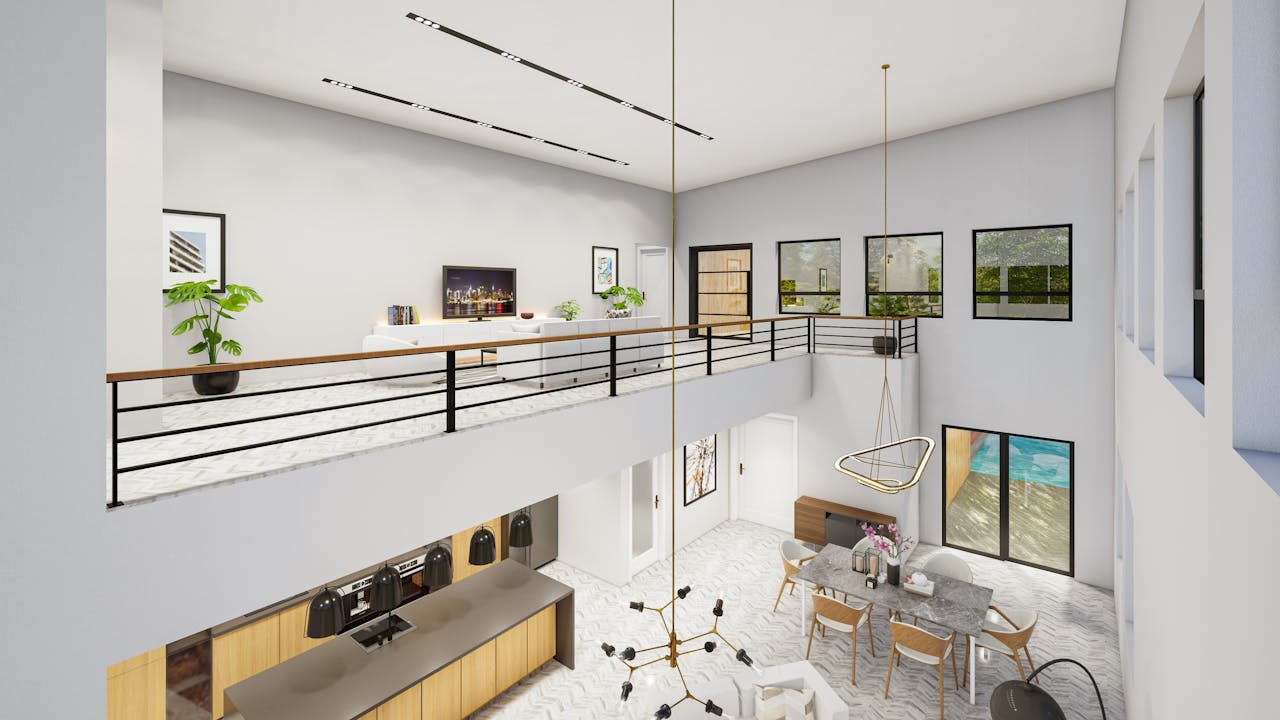
Large windows and open layouts allow daylight to move freely through the home, changing the way the interior feels throughout the day. Morning sunlight brings energy to living spaces, while softer afternoon light can make bedrooms and reading corners feel calm and restorative.
Architectural research consistently links daylight exposure to improved well-being, better sleep cycles, and higher productivity. These benefits are widely discussed in studies on healthy building design and environmental psychology.
Because modular homes are often situated in scenic settings—rural landscapes, forests, lakesides, or coastal regions—large windows also connect the interior to the surrounding environment. The outside view becomes part of the design itself.
Rather than increasing square metres, this approach expands the perceived size of the home through openness and connection to nature.
Breaking the Box: Layout Ideas for Modern Modular Living
Another misconception surrounding modular homes is that their layouts must remain rigid. In reality, some of the most successful modular home layout ideas focus on creating spaces that adapt to different needs throughout the day.
Open living areas can be subtly divided into functional zones using lighting, furniture placement, rugs, or sliding partitions. A single room may operate as a workspace during the day and transform into a social area in the evening. Bedrooms can incorporate flexible storage and multifunctional furniture that supports changing routines.
Emerging architectural research even explores responsive modular environments that physically adapt to user behaviour, demonstrating how flexible spatial design can improve daily comfort and efficiency.
What begins as a simple modular layout gradually becomes a dynamic living space shaped by the habits of its occupants.
The Power of Simplicity in Modular Interiors
Many of the most refined modular home interior design ideas share one principle: restraint.
Instead of filling every corner of the house with furniture and décor, designers focus on selecting fewer pieces that truly define the character of the room. A carefully chosen sofa, a sculptural dining table, or a statement light fixture can anchor the entire interior without overwhelming it.
This approach aligns closely with the broader concept of intentional living, where spaces are organised to reduce visual noise and support everyday comfort. Studies on housing and wellbeing increasingly emphasise that calm, uncluttered environments can improve mental clarity and reduce stress levels in daily life.
For modular homes, which are already designed with efficiency in mind, this philosophy feels especially natural.
Expanding the Living Space Outdoors
Some of the most inspiring modular home design ideas extend beyond the walls of the house entirely.
Outdoor terraces, decks, and garden areas can function as natural extensions of the interior, effectively increasing the usable living space without expanding the building footprint. In European climates where seasonal outdoor living is common, this connection between inside and outside becomes one of the defining features of a modular home.
Thoughtfully designed outdoor spaces can host gatherings, quiet reading moments, or evening meals under open skies. For a deeper look at how to plan these areas effectively, Evermod explores the topic further in our guide on how to design the perfect outdoor space for your modular home.
When interior and exterior spaces flow together, the home begins to feel larger and more connected to its surroundings.
Conclusion: Modular Home Design Ideas Are Redefining Modern Living
Modular home design ideas are no longer only about finding clever ways to optimise small spaces. They are about rethinking what a home should feel like in the first place.
Instead of focusing on size, excess, or rigid layouts, modern modular design emphasises light, materials, flexibility, and connection to the environment. These elements work together to create homes that are not only functional but also deeply comfortable and visually refined.
What makes this shift significant is that it aligns with how people are actually living today. Across Europe, there is a growing movement toward slower, more intentional lifestyles—something Evermod explores in more depth in our article about how slow living meets modular design as a new way to live in Europe.
This shift prioritises wellbeing, adaptability, and meaningful spaces over unnecessary scale, and modular homes naturally support that way of living.
When approached thoughtfully, modular home design ideas allow you to create a space that feels personal, calm, and enduring. The result is not a home that feels “modular,” but one that feels considered in every detail.
Ultimately, that is what defines a truly modern home.