How Turn-Key Modular Homes Are Changing Airbnb Tourism in Europe
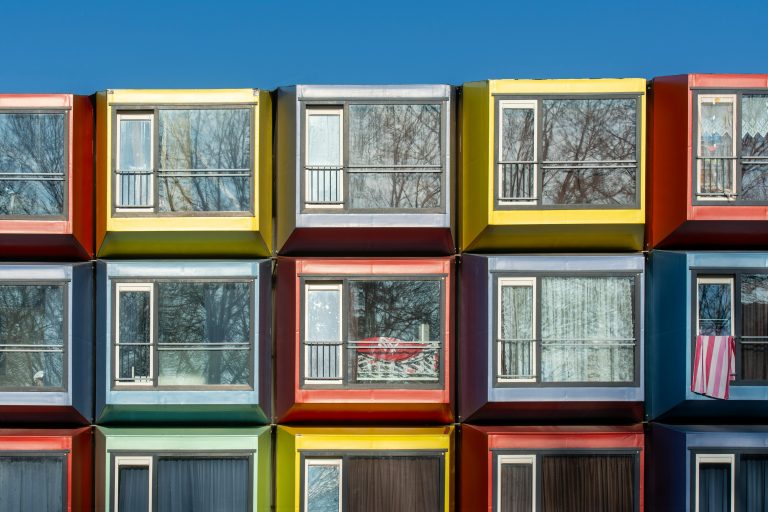
In the heart of Europe’s evolving travel landscape, a quiet revolution is taking shape, one made not of glass skyscrapers or sprawling resorts, but of modular, sustainable, and design-forward homes. What do you think about that? These compact, efficient structures are redefining where and how people travel, blending the freedom of the open road with the comfort of modern architecture. For Airbnb hosts and property investors, modular homes aren’t just an architectural trend. They represent a smarter, faster, and greener way to tap into Europe’s growing appetite for sustainable and authentic travel experiences. It’s time to give Europe what it’s hungry for!
A New Chapter for European Tourism
Europe’s travel habits are changing fast. The rise of remote work, digital nomadism, and eco-conscious travel has pushed demand for accommodations that feel personal and environmentally responsible. According to EU Travel Commission data, 43% of European travelers now actively seek stays with sustainability credentials, and modular homes fit perfectly into this new mindset. Unlike hotels, modular accommodations can be placed in scenic, underdeveloped areas without heavy infrastructure, making tourism more inclusive and geographically diverse.
With this shift, Europe’s modular Airbnb stays are becoming the new face of slow travel, experiences that prioritize design, sustainability, and connection to nature.
From City Apartments to Nature Escapes, Modular Homes Everywhere
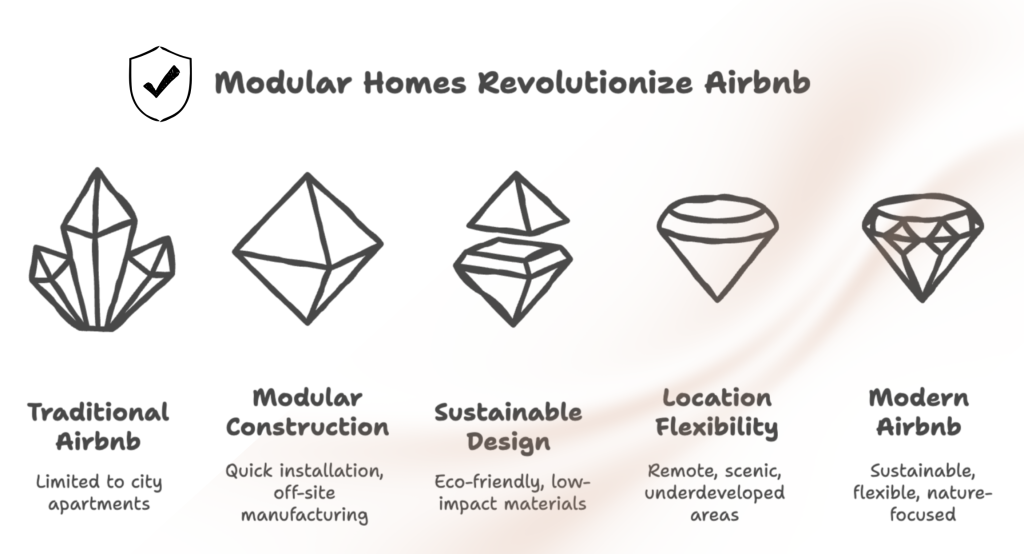
Traditional Airbnbs were often limited to apartments in major cities. But modular construction is changing that. Thanks to their quick installation and off-site manufacturing, modular homes are appearing in the most unexpected and breathtaking corners of Europe.
Inspirational examples of modular Airbnb stays:
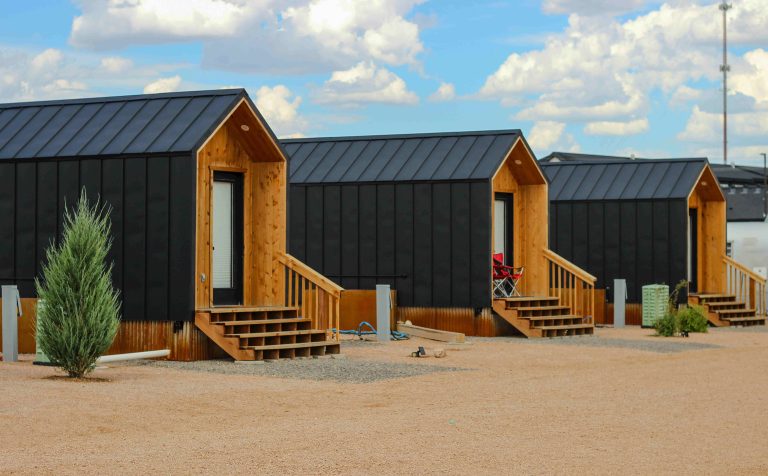
- Nolla Cabin (Finland): A minimalist modular retreat on an island near Helsinki, fully powered by renewable energy.
- Ööd Houses (Estonia): Modular glass micro-cabins placed in remote forest and lakefront locations, offering guests privacy and immersion in nature.
- Slow Cabins (Belgium): Self-sufficient modular units for off-grid living, built with circular materials and solar power.
- Casa Ojalá (Italy): A highly flexible modular stay near Tuscany designed for sustainable tourism with adaptable architecture.
These examples prove one thing: modular construction unlocks destinations that traditional hotels can’t reach, from coastal vineyards in Portugal to alpine valleys in Switzerland. And, the original design is just mindblowing. It’s the new frontier of European travel: minimal footprint, maximum experience.
Why Travelers Choose Modular Airbnb Homes
Guests today aren’t just looking for a bed, they’re looking for meaning. Modular homes offer exactly that: a fusion of comfort, innovation, and ecological integrity. People look for a lifestyle representation when they rent an Airbnb, and, of course, some Instagrammable shots (some).
For digital nomads, they mean flexibility, sleek spaces designed for work-from-anywhere lifestyles. For eco-conscious travelers, they offer guilt-free comfort with low-impact design, energy efficiency, and sustainable materials. They also embody the aesthetic values Europe is known for, Scandinavian simplicity, Mediterranean warmth, and northern craftsmanship, all in compact, inspiring spaces. If you’re a host, discover how modular design enhances guest experience.
How Modular Construction Benefits Airbnb Stays
Modular homes are revolutionizing Airbnb stays by giving hosts more control over time, costs, and scalability. Instead of waiting a year for construction permits and materials, a modular Airbnb unit can be installed in weeks, often with pre-approved eco-certifications and turn-key systems.
Hosts benefit from:
- Scalability: Easily expand from one to several rental units.
- Flexibility: Relocate or redesign modules based on demand.
- Sustainability: Factory-built precision minimizes waste and energy use.
A 2024 study by Forbes Home found that modular homes reduce construction time by up to 50% and material waste by 40%, making them one of the most cost-efficient ways to expand a rental portfolio. Want to understand the financial potential? Read Modular Homes: A Smart Investment for Airbnb Hosts.
Supporting Europe’s Sustainable Tourism Goals
Europe’s Green Deal and national tourism strategies emphasize sustainability and energy efficiency. Modular homes naturally align with these goals, from their low-carbon production to renewable energy integration. Countries like Sweden, Portugal, and Slovenia are now encouraging small-scale eco-accommodation projects using prefabricated systems, creating a new category of modular micro-tourism. This approach reduces land disruption, lowers emissions, and supports rural regeneration, helping lesser-known destinations thrive. European Travel Commission’s Sustainable Tourism Report 2024 speaks more about this in detail.
What This Means for Hosts and Developers
For Airbnb entrepreneurs and property developers, modular homes represent a blueprint for smarter growth:
- Quick deployment: Place fully furnished units in months, not years.
- Local integration: Modular architecture can reflect local styles by utilizing regionally sourced materials.
- Adaptability: Whether you’re hosting in Portugal’s countryside or Norway’s fjords, modular design adapts to both climate and culture.
Evermod’s turn-key prefab units, such as the Barn and Barn Mini, demonstrate how design and functionality meet hospitality. Each model can serve as a modern Airbnb stay that’s energy-efficient, flexible, and built for long-term profitability.
The Future of Modular Travel in Europe
As Europe leans toward sustainable tourism and conscious travel, modular homes are becoming the cornerstone of a new hospitality era, one defined by freedom, aesthetics, and environmental responsibility.
In the coming decade, we’ll see:
- Pop-up modular villages for seasonal tourism.
- Hybrid live-and-rent spaces for digital nomads.
- Shared modular communities combining co-living, co-working, and short-term stays.
It’s a shift from “Where can I stay?” to “How do I want to live?”, and modular design has the answer; it’s only a question of time for it to become a widespread trend.
Conclusion
Modular homes are reshaping Airbnb tourism across Europe by blending innovation, sustainability, and lifestyle design. From forest cabins to coastal escapes, they embody the next evolution of travel, where the experience feels local, responsible, and beautifully built. Whether you’re a host, investor, or traveler, one thing is clear: modular living is not just the future of housing, it’s the future of hospitality. Therefore, explore Evermod’s Turn-Key Modular Homes and discover how design and flexibility can transform your next Airbnb project.